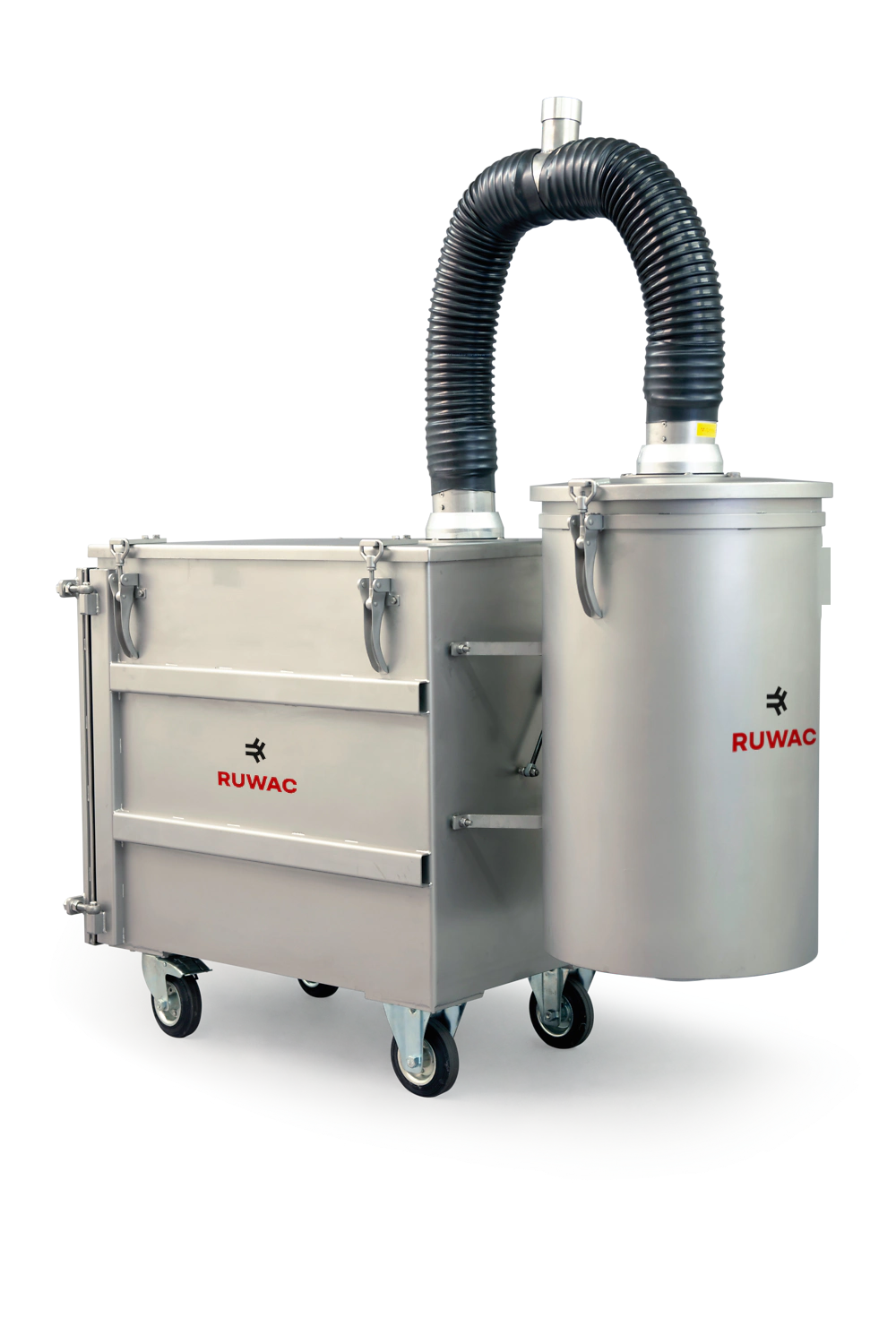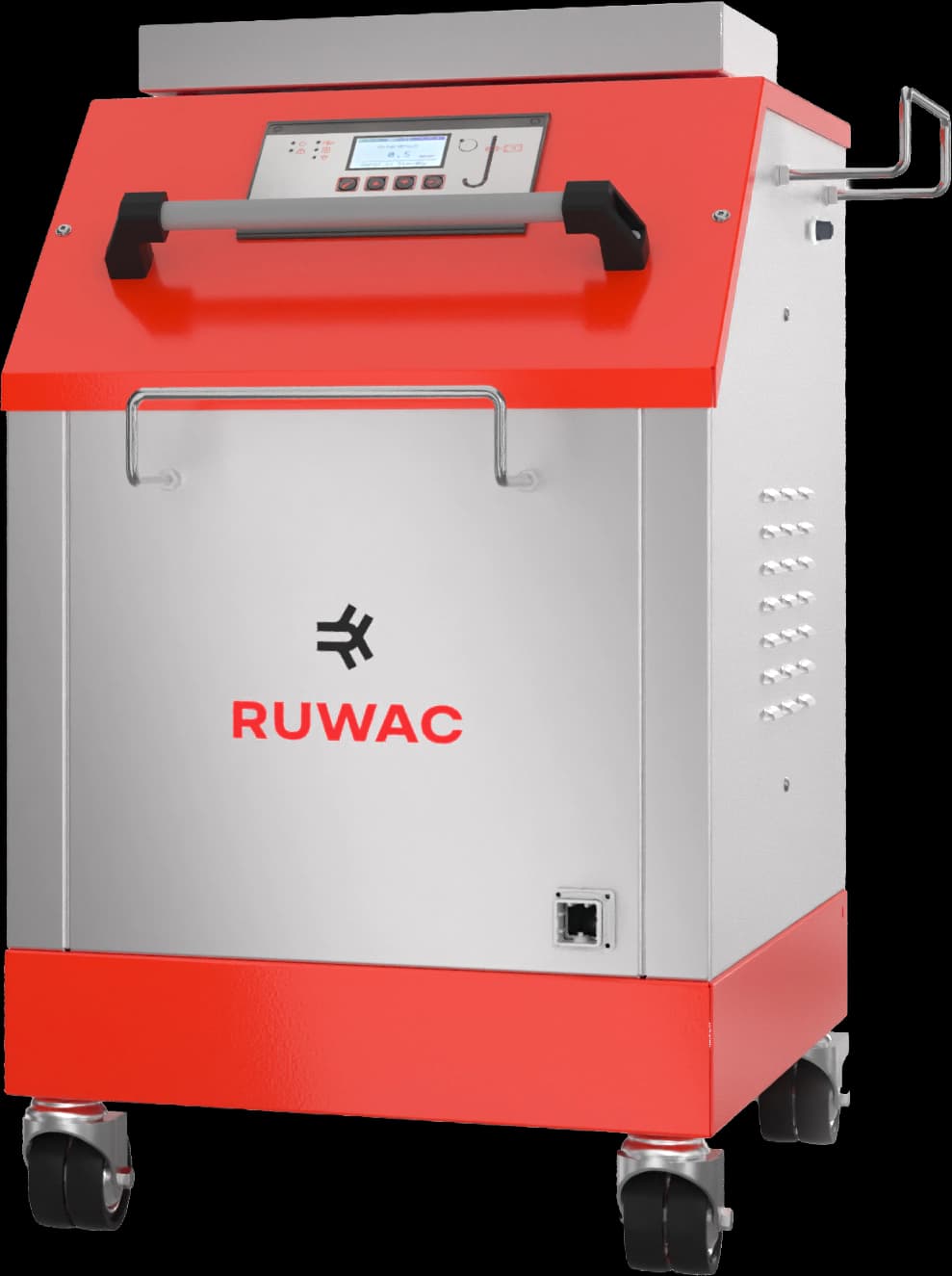
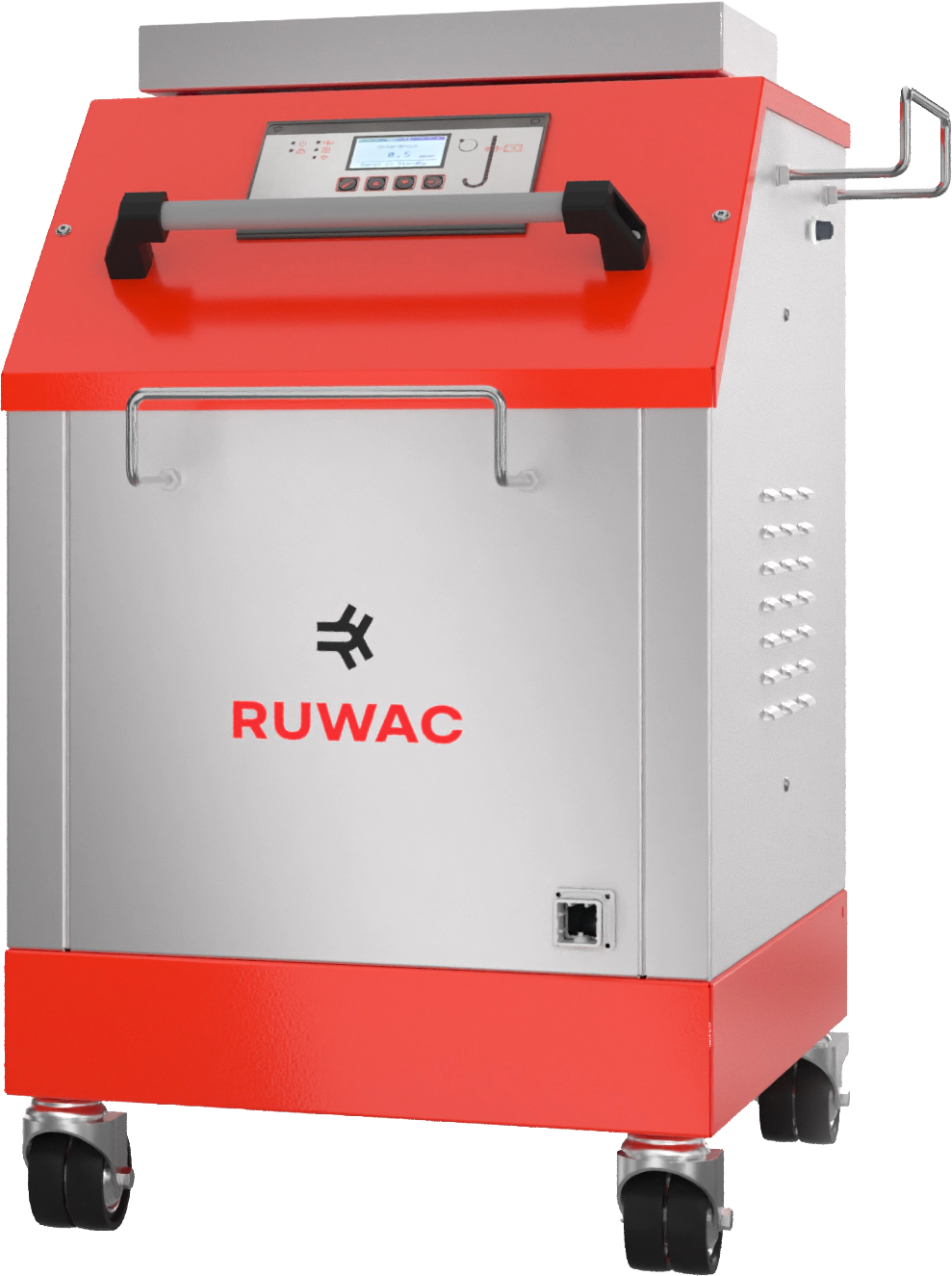
NA7
Safe. Clean. Thoughtfully designed.
- Wet separator for reactive dusts
- Particle binding in liquid
- Titanium, aluminum, magnesium, pyrotechnic dusts
- Equipotential bonding and level monitoring
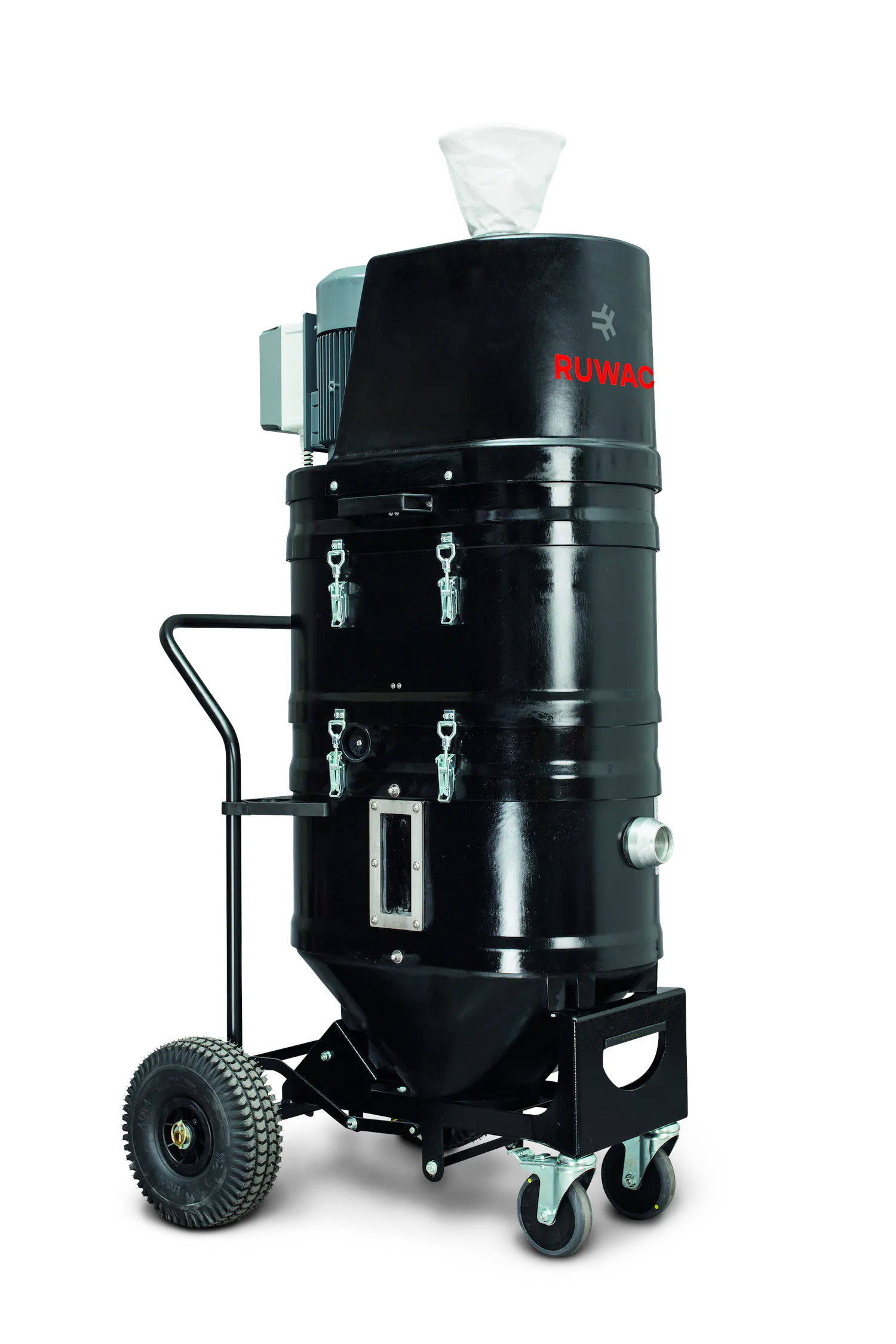
Wet separators bind explosive or hazardous dusts directly in liquid, reducing ignition risk in safety-critical processes.

Find the right solution by comparing housing, power, pressure, airflow, ATEX readiness, and certification posture.
| Model | Housing | Motor power | Vacuum pressure | Air flow rate | Dust ATEX | Gas ATEX | Certificates |
|---|---|---|---|---|---|---|---|
| NA7 | Sheet steel | 1.1 to 2.89 kW | -165 to -235 mbar | 130 to 220 m3/h | Optional | - | CE, UL, zone 22, ATEX, dust class M / H |
| NA35 | GRP | 2.2 kW | -206 mbar | 270 m3/h | Optional | - | CE, UL, zone 22, ATEX, dust class M / H |
| NA250 | Sheet steel / stainless steel | - | - | - | Optional | - | CE, UL, zone 22, ATEX, dust class M / H |

Safe. Clean. Thoughtfully designed.

Powerful. Resilient. Fluid thinking.

More capacity. More security. More reserve.
Share material details, operating hours, and process constraints so Mazvac can size the correct path.
ApplicationShare material details, operating hours, and process constraints so Mazvac can size the correct path.
Wet separators bind material before dry dust hazards develop, with liquid level monitoring, bonding, residual filtration, and ATEX-aware options.
They sit at the safety-critical point of the system and can work alone or downstream of dry pre-separation.
Material, dust class, liquid share, airflow, disposal method, explosion-protection zone, and available footprint determine the correct system.
Find a contact person